VAOVA · Colombian DMC · The art of happenings

Why Colombia · Incentive travel briefing

Evidence for choosing Colombia as an incentive destination.

Most planners still default to Cancun or Punta Cana. Colombia gets picked when the group has already been to both.

For incentive planners, Colombia now sits in a rare position: fresh enough to surprise top performers, developed enough to operate professionally, and culturally rich enough to build a program people remember.

Last updated ·

#1
El Dorado Bogotá ranked #1 in Latin America and the Caribbean in 2024 for passengers, cargo and aircraft movements, according to ACI-LAC.

Source: ACI-LAC, 2024

45M+
passengers moved through El Dorado in 2024, with 360,044 aircraft movements and 809,021 tons of cargo.

Source: ACI-LAC, 2024

3
Four Seasons properties in Colombia: two in Bogotá and the newly opened Four Seasons Hotel and Residences Cartagena.

Source: Four Seasons

6.7M
non-resident international visitors reached Colombia in 2024, a national record (MinCIT).

Source: MinCIT, 2024

The strategic case

Colombia gives incentive buyers what saturated destinations struggle to offer: newness with substance.

The country is not a one-note destination. It can be Caribbean, Andean, urban, rural, cultural, culinary and deeply emotional inside the same program architecture.

A destination that still feels discovered, not exhausted

Many incentive buyers know Mexico, Costa Rica, Punta Cana and Panama. Colombia gives them a fresher story while still offering major airports, strong hotels and professional DMC infrastructure.

One country, four very different incentive moods

Cartagena delivers Caribbean reward energy. Medellín delivers innovation and transformation. Bogotá delivers access, gastronomy and culture. The Coffee Region delivers retreat depth and nature.

International hotel investment is changing perception

The arrival of Four Seasons Cartagena as the brand's third Colombian property matters for the US market: global hotel brands invest where they see demand, infrastructure and long-term confidence.

Culture belongs inside the program

Music, dance, gastronomy, street art, coffee, literature and regional identity can be designed into the days themselves — not added as one local show after dinner.

The value equation is still strong

Colombia can deliver strong production, private venues, full DMC operation and high-emotion experiences with a cost-to-impact ratio that often compares well against more saturated incentive destinations.

The security conversation can be managed professionally

The right question is not 'Is the whole country safe?' The right question is: which route, which hotels, which movement plan, which local team and which contingency plan protect the group?

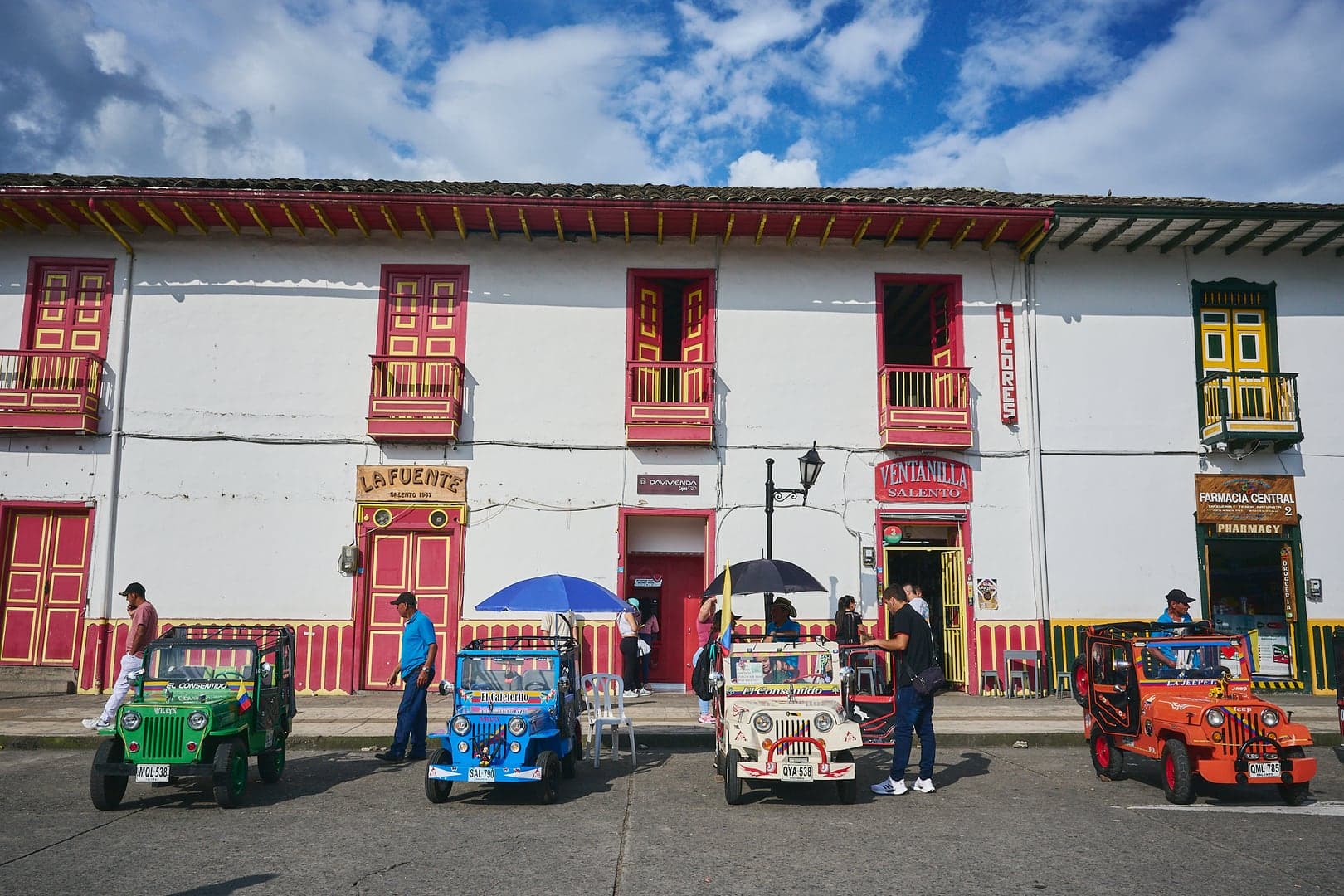
Coffee Region Colombia — UNESCO landscape for corporate retreats

A destination with range

Most countries offer one incentive personality. Colombia offers four.

A single Colombia program can open with Bogotá's access and gastronomy, move through Medellín's transformation story, slow down in the Coffee Region and close in Cartagena with a Caribbean gala.

That variety matters for repeat incentive travelers. They have already done the beach-plus-optional-activities trip. Here they move through a country with four different moods.

Competitive set

The shortlist usually starts elsewhere.
That is the opening.

Punta Cana, Cancun, Panama, Mexico, Brazil, Argentina and Peru are all credible choices. Colombia becomes the better answer when the buyer needs more than habit: shorter access than the deep South America icons, a stronger hub than many assume, Caribbean reward energy with a real city attached, and a food scene that now competes on the regional stage.

Colombia versus other Latin American incentive travel destinations: familiar choice and Colombia's edge.
MarketColombia's edge
Punta CanaPunta Cana is strong when the brief is a resort reward with minimal movement. Colombia is stronger when the group needs the Caribbean plus a story: Cartagena gives you a UNESCO walled city, rooftops, plazas, colonial venues and the Rosario Islands or Barú by boat — beach and city in the same program, not only beach.
Cancun & Riviera MayaCancun has the infrastructure, but that is also the problem: it is one of the most used resort corridors in the hemisphere. Colombia is the better move when top performers have already seen Cancun-style incentives and the planner needs a destination that feels less mass-market while still operating professionally.
PanamaPanama sells itself as a hub, but Bogotá's El Dorado moved 45.8M passengers in 2024 and ranked #1 in Latin America and the Caribbean for passengers, cargo and aircraft movements. If access is the argument, Colombia can compete. If emotion is the argument, Colombia is stronger: music, gastronomy, cities, coast, coffee landscapes and artists.
Mexico as a destinationMexico has scale, multiple strong cities and serious suppliers. The issue is repetition: many corporate audiences have already done Cancun, Riviera Maya, Los Cabos or Mexico City. Colombia is the sharper choice when the buyer wants Latin America without the feeling of choosing from a known playbook.
Brazil & ArgentinaBrazil brings scale and icons, but from Miami São Paulo is roughly 8-9 hours versus Bogotá at about 3.5 hours and Cartagena around 3.25. São Paulo also ranks materially higher than Bogotá in cost-of-living comparisons. Argentina can be attractive on the ground, but Buenos Aires is about a 10-hour flight from Miami. Colombia gives the group a full Latin American story with less time in the air.
PeruPeru owns one of Latin America's strongest icons and Lima is a serious gastronomy capital. Colombia can now compete in food, not just scenery: El Chato in Bogotá ranked #1 and Celele in Cartagena #5 in Latin America's 50 Best Restaurants 2024. Colombia wins when the brief needs gastronomy plus Caribbean energy, contemporary cities, coffee culture and Happenings built around the group.

The honest caveat

Colombia rewards good planning.
It punishes generic planning.

The country works best when the buyer chooses a serious DMC, not a generic operator. Security, movement, venue selection, staffing and contingency planning are the difference between an interesting destination and a board-approved incentive program.

Buyer FAQ

Questions behind the shortlist.

Why should incentive planners consider Colombia now?
Because Colombia combines improving air access, international hotel investment, a strong culture-and-nature mix, competitive value and destinations that still feel fresh compared with more saturated incentive markets in the Caribbean, Mexico and Costa Rica.
Is Colombia already proven for US incentive groups?
Yes. The United States is Colombia's leading tourism source market, and US corporate groups already use Bogotá, Medellín, Cartagena and the Coffee Region for incentives, retreats, meetings and executive offsites. VAOVA has operated programs for clients including Quálitas, YPO, HPN, Toyota, Amazon and KFC.
What makes Colombia different from other Latin American incentive destinations?
Colombia can combine a Caribbean walled city, a major air hub, an innovation city, a UNESCO coffee landscape, music, gastronomy, artists and strong hotels in one country. The program can feel multi-layered without needing multiple countries.
How does Colombia compare with Punta Cana, Cancun, Panama, Mexico, Brazil, Argentina and Peru?
Those destinations are valid choices, but many incentive travelers have already seen versions of them. Colombia is strongest when the buyer wants a destination that still feels fresh, combines Caribbean reward energy with real culture and cities, and can deliver more narrative range inside one country.
Which Colombian destinations are strongest for incentive travel?
Cartagena, Medellín, Bogotá and the Coffee Region are the strongest starting points. Cartagena works for reward energy and gala dinners; Medellín for innovation and transformation; Bogotá for access, culture and corporate infrastructure; the Coffee Region for retreats and nature.
How does safety affect the Colombia decision?
Safety is a real planning topic, not a reason to dismiss the country. Strong programs use private transportation, vetted venues, experienced local staff, clear routing, destination-specific risk evaluation and a DMC that knows where corporate groups should and should not go.
Is Colombia better for incentives or corporate retreats?
Both. Cartagena and multi-city routes often work best for incentive rewards; Coffee Region, Bogotá and Medellín can be excellent for executive offsites and corporate retreats. The right answer depends on the group profile and business objective.